Dealer Calls and Table Terms: How Casino Tables Coordinate Play
Learn how dealer calls and table terms mark turns, explain procedures, and help you follow a casino game without confusing a cue with a rule.

The most common mistake with dealer calls and table terms is hearing every announcement as a command to act. That can lead a newcomer to place a wager at the wrong time or copy another player without knowing the rule. These phrases work more like traffic signals: they make the table’s procedure audible, while the posted rules explain what each person may do.
Dealer calls and table terms serve different purposes
A dealer call is a spoken announcement tied to a moment in play. It may open or close betting, invite a player to act, or mark that a result is being settled. The wording varies by game and venue, so listen for what the call asks the table to do rather than assuming every casino uses the same phrase.
Table terms are the vocabulary used to describe wagers, actions, and results. Words such as “hand,” “round,” and “payout” name parts of play; other terms may refer to a particular bet or action. A call tells you what is happening now, while a term helps name the procedure or object involved.
Neither replaces the game’s rules. A call can signal that betting has ended, but the rules determine what happens next and how a wager is settled. If a phrase is unfamiliar, asking what it means is more useful than trying to infer its meaning from another player’s movement.
Calls make the sequence of a table game easier to follow
Many table games move through a recognizable sequence: players act, the dealer closes that phase, the game proceeds, and the result is settled. Spoken cues help everyone notice a transition, especially when the room is noisy or players are focused on their chips.
At blackjack, for example, a dealer may indicate that players can place their wagers before the hand begins. A later announcement can signal that no further wagers may be added. The call clarifies the timing of participation; the table’s rules determine which actions are allowed during the hand.
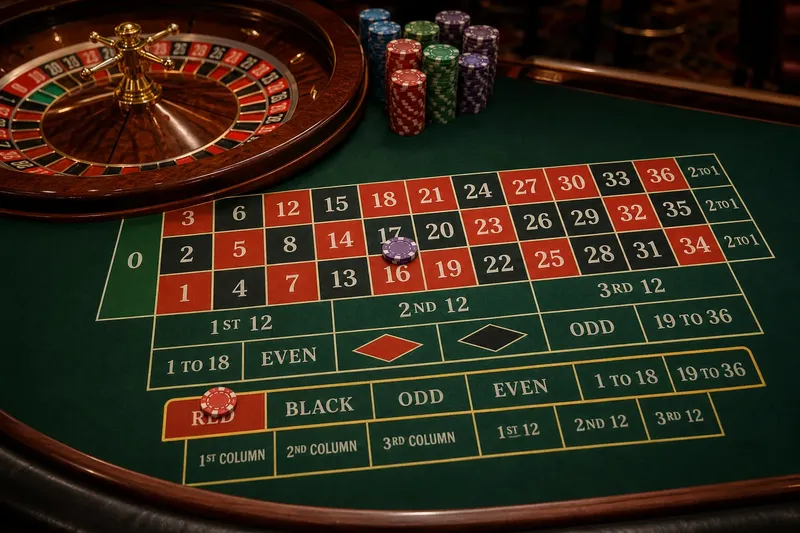
At roulette, an announcement may distinguish the period for placing wagers from the period after betting closes. A player who missed that transition can ask the dealer whether wagering is still open before touching chips. The practical value of the call is that it coordinates the table’s actions.
Why do dealers repeat calls and pair them with gestures?
Repetition gives players another chance to notice a change in procedure. Someone may be new to the game, speaking with a companion, or looking down at the betting area when the dealer first speaks.
A gesture can reinforce the words, but it does not replace the rules. Dealers may point to an area, indicate a player’s turn, or use another visible cue to direct attention. If the gesture and your understanding do not match, pause and ask for clarification before acting.
Clear calls also help staff and players coordinate around the same sequence. They are useful precisely because they reduce the need for a long explanation during each round—not because every table uses identical language.
A call, a rule, and slang answer different questions
A call answers, “What stage are we at?” A rule answers, “What may I do, and how will the game handle it?” Slang is informal shorthand that players or staff may use in conversation. It can be convenient for regulars, but it may not be clear to a newcomer.
Context matters because a short phrase can serve more than one function. A dealer’s instruction may point to a rule, while a player’s nickname for a wager may be only casual language. If the meaning could affect your action or settlement, ask the dealer to explain it plainly before proceeding.
House procedures can differ. For a question about a specific game or wager, consult the posted rules or official game information, or ask casino staff. Do not treat informal table language as a substitute for the applicable procedure.
What should you do when a dealer call is unclear?
Start by identifying whether the dealer is announcing a stage, directing an action, or explaining a result. If you cannot tell, pause and ask a brief question before placing chips or making a playing decision. You can also watch a round to see how the table’s sequence works.
- Check whether the announcement concerns an open or closed action period; if unclear, ask the dealer whether you may act, then wait for a direct answer.
- Check whether an unfamiliar word names a bet or an action; if you cannot explain its meaning, ask for plain wording before using it.
- Check the posted rules when a procedure affects what you may do; if the display does not answer your question, ask casino staff rather than relying on another player’s guess.
- Check whether you missed a transition in the game; if you did, ask what stage is underway and wait for the dealer’s direction.
- Check whether a gesture seems inconsistent with the spoken call; if the two appear to conflict, pause and ask which instruction applies.
- Check whether another player’s action is being mistaken for your own cue; if you are unsure, do not copy it—confirm your turn with the dealer.
Say you arrive at a blackjack table while the dealer is collecting chips and hear a phrase you do not recognize. You have not placed a wager, and the posted rules do not make the phrase clear. You ask whether the table is still accepting wagers; the dealer says the hand is already underway. The resulting decision is straightforward: wait for the next opening before joining, rather than infer permission from another player’s action.
What is not worth the effort is trying to decode a dealer’s facial expression or building a private glossary from tiny variations in tone. Focus instead on the announced stage, the permitted action, and the posted rules.
How do dealer calls differ from game rules?
Does “no more bets” explain how a wager is settled?
No. It indicates that betting has closed for that phase. The rules for the game explain how the wager is resolved.
Why can the wording differ between casinos?
A venue may use its own phrasing for a familiar stage or instruction. If the difference leaves you unsure about an action, ask the dealer or check the table’s posted information.
Can another player’s response tell me what a call means?
It can show what that player understood, but their action may depend on their own position or wager. Ask the dealer to clarify the instruction that applies to you.
What should I do if I miss an announcement?
Pause and ask what stage the game is in before acting. A short clarification helps you follow the table’s procedure without guessing.
Shared vocabulary helps people coordinate at the table
Table language gives players and staff a concise way to refer to actions, wagers, and stages. That shared vocabulary supports turn-taking among people who may not know one another, but a term familiar to regulars can still confuse someone new.
When you hear dealer calls and table terms, ask what they organize: a stage of play, an instruction, or the name of a procedure. Knowing which kind of information you need makes it easier to ask a precise question and follow the table’s rules.